Scientific-Technical Reports

Soil related documents, Research Reports and JRC Scientific - Technical Reports available from Staff of the SOIL Team in the Land Resource Management Unit.

Filters

Go Back To

All Documents

Displaying 1 - 25 of 135 | Show 25 | 50 | All results per page.
Harmonizing soil pollution data and knowledge in Europe: a collaborative effort towards achieving healthy soils by 2050
Resource Type: Maps & Documents, Documents, Scientific-Technical Reports
Year: 2025

This report addresses soil pollution in the EU, supporting the implementation of the EU's Soil Monitoring Law (SML) and Zero Pollution Action Plan. This document presents the outcomes of workshop with several EU Mission projects on soil pollution, including the SoilWise, ISLANDR, EDAPHOS, ARAGORN, and BENCHMARKS projects. The report provides a comprehensive approach to harmonization and standardization of soil pollution data, essential for effective policy-making and decision-support. The report also provides information on the development of new policy measures, such as the EU's Soil Strategy and proposed Directive on Soil Monitoring and Resilience. This report hopes to serve ongoing and future Soil Mission projects with data harmonization for a higher dissemination and policy impact. The harmonization of the data will help EU and national/regional policymakers to have a clear view on the state of the soil pollution and therefore reinforce their regulation on soils (e.g., Soil Monitoring Law).

Download the report

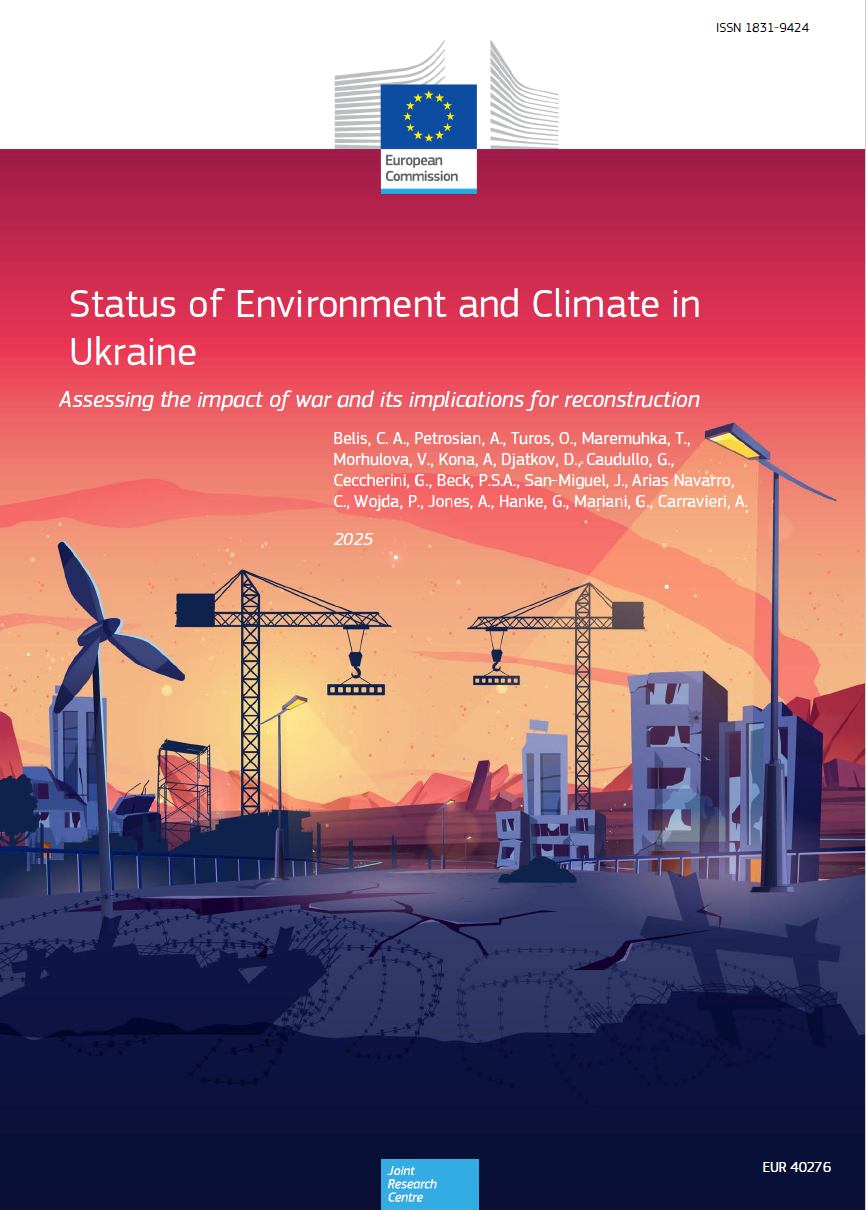
Status of Environment and Climate in Ukraine
Resource Type: Documents, Scientific-Technical Reports, Maps & Documents
Year: 2025

The present report provides an overall picture of the status of environment and climate - air quality, emissions of air pollutants and greenhouse gases - (GHG), forests, soil and marine environment in Ukraine. The analysis is based on available studies by JRC and other sources. However, the report does not cover all environmental areas as completeness and quality of data varies across the different topics. The ongoing conflict between Russia and Ukraine has exacerbated pre-existing challenges related to environmental monitoring and the enforcement of environmental regulations, further complicating this assessment.

The information summarised in this study provides for the first time the basis for assessing the impact of war in Ukraine with reference to specific environment and climate aspects, including relevant elements for the reconstruction of the country. Moreover, the report provides additional information for benchmarking the EU accession process of Ukraine, with particular reference to Chapter 27 of the EU Acquis on Environment, as well as for monitoring the progress in the green transition, with an emphasis on zero-pollution, low-carbon and nature-preserving dimensions.

In the last decade, Ukraine made efforts to align its environmental strategy with EU standards including the definition of key strategic goals and a roadmap for its participation in the Green Deal. The concentration of pollutants regulated by Ukrainian legislation meet the EU criteria, with the exception of NO2 and CH2O. National standards for atmospheric particulate matter with diameter <2.5 μm and <10 μm (PM2.5 and PM10, respectively) are not in place yet. Emission of pollutants have decreased over the past decade due to the impact of COVID-19 pandemic and the war.


Over the past decade, climate change and the war have significantly increased the risk of large forest fires, with the worst situation in the last five years. Wildfires account for 45-65% of the total forest cover losses every year. Although soils in Ukraine contain high levels of organic matter and nutrients, they are also vulnerable to degradation, such as nutrient mismanagement, acidification, erosion, compaction, salinisation, contamination. Erosion is the most widespread threat since it affects 40% of the Ukrainian soil.

Download the report

EUSO annual report 2024
Resource Type: Documents, Scientific-Technical Reports, Maps & Documents
Year: 2025

Healthy soils are essential for providing healthy food and achieving climate neutrality. The publication of the EU Soil Strategy for 2030, the proposed Soil Monitoring and Resilience Directive and the Mission Soil marked major milestones for soil protection and restoration in the EU. Given this context, the EU Soil Observatory (EUSO) aims to be the principal provider of knowledge and data on soils at the EU-level and to underpin EU policies related to soils. This report highlights the main activities and outcomes of the EUSO in 2024. During this period, the EUSO provided policy support to a wide range of soil related areas, including the proposed Soil Monitoring and Resilience Directive, the Carbon Removal Certification Framework and the Mission Soil. A highlight was the launch of the science for policy report ‘The state of soils in Europe’, in collaboration with the European Environment Agency, providing an in-depth examination of the pressures affecting soils across Europe. Furthermore, the EUSO updated its Soil Degradation Dashboard and launched a novel EU Soil Strategy Actions Tracker. The latter shows that almost 70% of the policy actions listed in the EU Soil Strategy for 2030 are completed. Next, the European Soil Data Centre, the leading web platform for sharing data and knowledge about EU soils, has grown significantly with 15 new datasets and a 20% increase in requests for datasets. Additionally, the EUSO contributed directly to advanced scientific knowledge on soils with the publication of 47 scientific papers, 10 technical reports, and 3 science-for-policy reports. Finally, the EUSO organised and contributed to activities to support stakeholder interactions and citizen engagement regarding soils. Highlights include the fourth EUSO Stakeholders Forum, the second Young Soil Researchers Forum, the European Mission Soil Week and the activities of the EUSO Working Groups. During 2025, the EUSO will continue to be the principal provider of soil-related data and knowledge while supporting the implementation of EU policy objectives in relation to soils.

Download the Report: https://esdac.jrc.ec.europa.eu/public_path//shared_folder/doc_pub/JRC141262.pdf

Delivering the EU Green Deal - Progress towards targets
Resource Type: Maps & Documents, Documents, Scientific-Technical Reports
Year: 2025

The study shows that significant achievement has been delivered so far but progress needs to accelerate in many areas. As of mid-2024, 32 of the 154 targets are currently “on track” and 64 are identified as “acceleration needed” meaning that more progress is needed to meet the targets on time. Furthermore, 15 of the targets are found to be “not progressing” or “regressing”, and for 43 of the targets no data is currently available. The timing of the binding policies, most of which have been recently agreed and are expected to deliver results in the coming years, is a significant factor influencing these assessments.This report integrates all EGD actions and related policies, offering an assessment of the EU’s green transition based on robust data and science. It identifies priority areas for intensified efforts to meet short-term implementation goals and contribute to the long-term ambition of a sustainable, fair, just, and climate-neutral Europe by 2050. This collective work serves as a benchmarking tool, providing scientifically grounded guidance for future EU policies and programmes.

Link to the report: https://publications.jrc.ec.europa.eu/repository/handle/JRC140372

SOLACE - Understanding the links between SOiL pollution and CancEr
Resource Type: Documents, Scientific-Technical Reports, Maps & Documents
Year: 2025

Soil pollution is a significant environmental and health concern in Europe, with potential links to cancer incidence. The Exploratory Research project “Understanding the links between SOil pollution and CancEr” (SOLACE)” aimed to investigate the complex relationships between soil properties, pollution, land use and human health, providing a foundation for further research and policy development, as part of the Joint Research Centre's (JRC) strategic scientific development.. The scoping review of the existing studies linking soil pollution and cancer identified the knowledge gaps in the fields. We also performed an ecological study across 26 EU countries, which releaved associations between the regional rates of lung cancer mortality and soil pollution with arsenic and cadmium. The SOLACE project underscores the importance of comprehensive soil monitoring to safeguard environmental and human health and emphasizes the need for continued investment in research, monitoring, and policy development to address the complex issues surrounding soil pollution and its impact on human health The SOLACE project achievements contribute to the goals of the JRC by supporting soil-related directives like the Soil Monitoring Law and the Zero Pollution Action Plan.

Download the report

EU Soil Strategy Actions Tracker
Resource Type: Maps & Documents, Documents, Scientific-Technical Reports
Year: 2025

The EU Soil Strategy for 2030 sets out a framework to ensure that soils are used sustainably by setting concrete measures to protect and restore soils. It sets a vision and objectives to achieve healthy soil by 2050, with concrete actions due by 2030. The newly developed ‘EU Soil Strategy Actions Tracker’ is a tool to track the progress of these concrete actions since the adoption of the EU Soil Strategy in 2021. The EU Soil Strategy Actions Tracker provides an overview on the status of the actions, information on the due date, recent updates, links to related EU policies, links to relevant sources, and the main actors responsible for implementation. Currently, 62 out of 90 actions (69%) are marked as completed, 24 actions (27%) as in progress, and 4 actions (4%) as withdrawn. The EU Soil Strategy Actions Tracker provides a clear overview of the progress made by the European Commission under the EU Soil Strategy. With almost 70% of complete actions, the tracker shows that the Commission is well on track to complete most of the actions included in the EU Soil Strategy. Together with the EU Soil Observatory (EUSO) Soil Degradation Dashboard, it provides an informative overview on EU soil health status and ongoing actions to preserve and restore the state of soils in the EU. The EU Soil Strategy Actions Tracker is the first step towards an EUSO Soil Policy Actions Tracker to monitor EU policy actions relevant to soils, other policies (e.g. EU Climate Law) are foreseen to be included in 2025.

A proposal for soil health indicators at EU level
Resource Type: Datasets, Maps & Documents, Documents, Scientific-Technical Reports
Year: 2024

Healthy soils are essential for our environment and society, as soils deliver crucial ecosystem services. The publication of the EU Soil Strategy for 2030 and the Soil Monitoring Law marked
major milestones for soil protection and restoration in the EU. In parallel, the Mission Soil aims to advance knowledge on healthy soils and establish 100 Living Labs and Lighthouses to co-create innovations for soil health. Contributing to a better EU soil health monitoring and a complete set of indicators at the EU-level are crucial components of the Mission Soil’s objectives. This report proposes a list of indicators for soil health in the EU, together with targets and thresholds for these indicators. Nineteen indicators are presented, representing the main soil degradation processes and monitoring the state of soil health at EU scale. The EUSO Soil Degradation Dashboard is proposed as the main platform for presenting these indicators, together with key results and statistics. The dashboards shows that, based on the proposed indicators, more than 60% of EU soils are currently unhealthy. Planned updates on the proposed indicator framework include: (i) refining, updating and adding new datasets for indicators, (ii) refining thresholds for the indicators, and (iii) developing a composite Soil Health Index. For these planned activities, close collaboration with the Mission Soil projects will be crucial.

Download the Report

A review of existing tools for citizen science research on soil health
Resource Type: Documents, Scientific-Technical Reports, Maps & Documents
Year: 2024

Soil-related citizen science projects have gained significant interest driven by the prominence of soil within public policy agendas. Amongst others, this includes the EU Soil Strategy for 2030, which contributes to the objectives of the EU Green Deal and proposes specific actions to increase citizen engagement on soils. Increasing citizen engagement is also one of the building blocks in the EU Mission: A Soil Deal for Europe.

In this work, we reviewed over 60 citizen science projects, across the globe, that considered soil health. We collected citizen science projects based on literature search, expert interviews, suggestions from project partners and through the mailing lists of the European Network for Soil Awareness (ENSA) and the European Soil Data Centre (ESDAC). We then screened all projects for the following characteristics: geographic coverage, duration, scientific factors (e.g. soil properties considered, fieldwork), technological factors (e.g. applications used) and their citizen engagement (e.g. target groups).

Two-thirds of the reviewed studies were based in Europe and mostly conducted at regional- or national scales. We recommend to align the citizen science methodology with the desired level of participation. We also identified a need for the development of standardised, user-friendly and costeffective methodologies to generate soil data. Engagement of citizen can be facilitated through, i.) providing feedback protocols on their scientific contribution and, ii.) assigning qualified mediators or activity leaders to support participants throughout the project. All collected information has been made available as an open-access repository and can inform future citizen-science projects on soil health

Download the Report

Soil pollution in the Western Balkans
Resource Type: Maps & Documents, Documents, Scientific-Technical Reports
Year: 2024

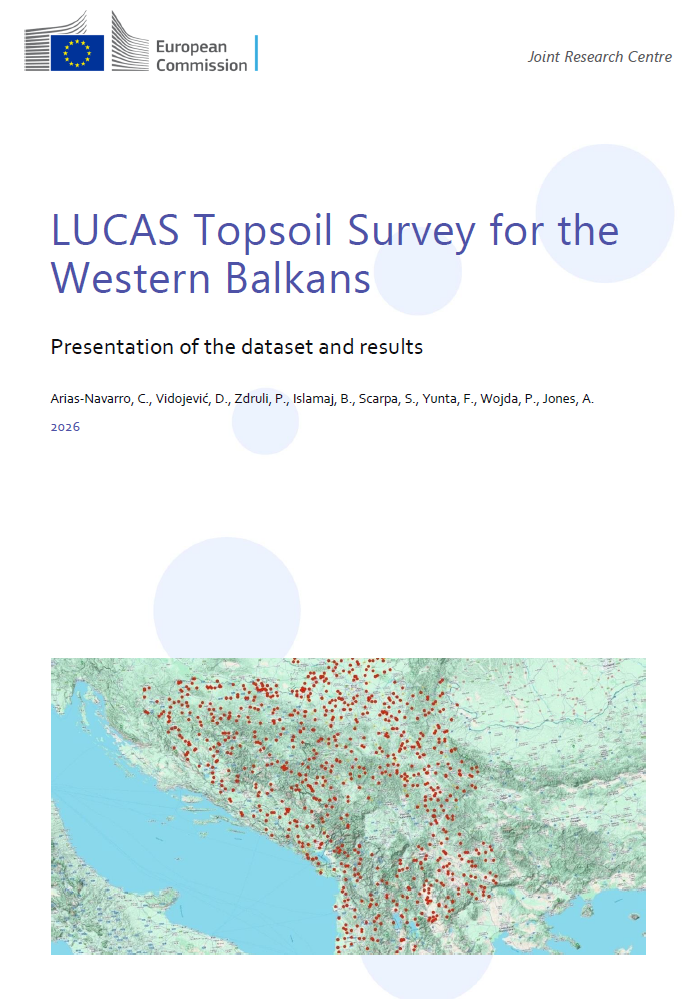
Soil contamination in the Western Balkans is a significant challenge, hampered by inadequate legal frameworks, lack of comprehensive field data, and insufficient site investigations. This report aims to support the JRC’s efforts to fill information gaps on soil pollution across the Western Balkans based on an extensive review of the current evidence base of the state of Western Balkans soils. The purpose is to identify the extent of pollution at country and regional level, but also highlighting policy areas of concern. Establishing robust monitoring networks with standardized data collection is crucial for understanding soil health and developing effective remediation strategies. Harmonized soil monitoring and testing programs, aligned with the Green Deal and pan-EU soil initiatives, are essential for cross-border collaboration and policy implementation. This work is part of the JRC project “Environment and Climate in Enlargement” and contributes to the Western Balkans Agenda on Innovation, Research, Education, Culture, Youth, and Sports, particularly in developing a soil pollution database and supporting capacity building for the Green Agenda.
This work underscores the urgent need for integrated soil protection policies to ensure healthy soils and sustainable land use in the Western Balkans

Download the Report:

The State of Soils in Europe
Resource Type: Maps & Documents, Documents, Scientific-Technical Reports
Year: 2024

This report delves into the intricate interplay between drivers, pressures and impacts on soil in the 32 Member States of the European Environment Agency (EEA), along with six cooperating countries from the West Balkans, Ukraine and UK, shedding light on the multifaceted challenges facing soil conservation efforts. Our analysis shows the complex interactions among various factors, both anthropogenic and natural, shaping soil degradation processes and their subsequent consequences. We highlight key findings, including the significant impacts of soil degradation on agriculture, ecosystem resilience, water quality, biodiversity, and human health, underscoring the urgent need for comprehensive soil management strategies. Moreover, our examination of citizen science initiatives underlines the importance of engaging the public in soil monitoring and conservation efforts. This work emphasises the policy relevance of promoting sustainable soil governance frameworks, supported by research, innovation, and robust soil monitoring schemes, to safeguard soil health and ensure the long-term resilience of ecosystems.

Direct link: /public_path//JRC137600_State_of_Soils_in_Europe_Report_2024_online.pdf

Soil fertility in the EU taxonomy for the construction of new buildings
Resource Type: Maps & Documents, Documents, Scientific-Technical Reports
Year: 2024

When soils are used for construction, all their ecosystem services are irreversibly lost. The European Commission has implemented various policies to reduce the loss of soils due to sealing, and this objective is integrated into the EU taxonomy for sustainable activities. In the delegated acts, specific criteria are defined to screen whether the building of new constructions can be considered environmentally sustainable. One of these criteria is that new constructions are not built on arable and crop land with a moderate to high level of soil fertility, and reference is made to the EU LUCAS survey with a hyperlink to the LUCAS project on the ESDAC website (https://esdac.jrc.ec.europa.eu/projects/lucas). Nevertheless, the data available in LUCAS soil do currently not provide a classification of soil fertility for the EU taxonomy regulation. This report presents an overview of national legislations that classify agricultural land for spatial planning purposes, as well as EU and global methods and products (i.e. maps) to classify agricultural land. The advantages and disadvantages of these approaches as potential candidates for the EU taxonomy regulation criterion on soil fertility and new constructions are discussed. Considering recent developments in EU soil policies, the report proposes a new criterion for building new constructions on arable land that is better aligned with the European Commission’s ambition of reaching no net land take by 2050.

Download the PDF document: Soil fertility in the EU taxonomy for the construction of new buildings

Clay mineral inventory in soils of Europe based on LUCAS 2015 survey soil samples
Resource Type: Maps & Documents, Documents, Scientific-Technical Reports
Year: 2024

Clay minerals are a key factor in mineral soils as they are controlling physic, chemical and biological soil properties. The X-ray diffraction (XRD) analysis has been widely used to identify and quantify minerals in earth science The aim of this research is to describe the clay minerals in soils of Europe and United Kingdom by using soil samples from the Land Use/Cover Area Frame Survey (LUCAS) topsoil database sampled in 2015. A subset of 388 soil samples were selected from LUCAS 2015 topsoil survey. The clay fraction (<2 µm) was separated by sedimentation in distilled water. X-ray powder diffraction (XRPD) measurements have been carried out with a Siemens D5000 diffractometer with a graphite monochromator, using CuKα radiation at 40 kV and 40 mA. Clay mineralogy has been studied by measurement of basal spacing parameters on the clay fraction oriented in glass slides: 3 to 13 °2θ range 0.02 °2θ step size. The study involved the measurement of the 1. air-dried sample, 2. ethylene glycol solvated sample, 3. heat treatment at 110, 350 and 550 °C. Identification of clay minerals were based on the d-spacing value of their 00l (mainly 001) reflections after different diagnostic treatment. The semiquantitative composition of <2 µm fractions was estimated by using integrated areas of 00l reflections. Brief description of the clay mineralogy of all samples and semi quantitative mineral composition was performed at country level. The X-ray diffractograms after the different treatment (black = untreated, blue = ethylene glycol solvated, green = 110 °C, dark red = 350 °C, red = 550 °C) for each soil sample were analyzed. Majority clay minerals were compared to soils properties such as CEC, soil pH, soil organic carbon (SOC), and clay and sand content. Current descriptive analysis can be used to identify the most relevant clay minerals in soils of Europe. Monitoring over time can be used as soil health indicator to establish potential correlations between clay minerals and relevant threats as soil degradation, soil erosion, and soil pollution.

Download PDF: Clay mineral inventory in soils of Europe based on LUCAS 2015 survey soil samples

EUSO annual bulletin 2023
Resource Type: Documents, Scientific-Technical Reports, Maps & Documents
Year: 2024

Healthy soils are essential for achieving climate neutrality and providing healthy food. The publication of the EU Soil Strategy for 2030 and the proposed Soil Monitoring Law marked a major milestone for soil protection in the EU. It also highlighted the importance of the EU Soil Observatory (EUSO) as the principal provider of soil-related data and knowledge at EU-level. The present report highlights the main activities of the EUSO in 2023. Through its activities in 2023, the EUSO provided policy support to a wide range of policy areas, including the proposed Soil Monitoring Law. The EUSO also launched the EU Soil Health Dashboard, a comprehensive and easy understandable monitor of the state of soil health in the EU. Furthermore, in 2023, the EUSO contributed to sharing data and knowledge about EU soils, supported soil research and innovation, and supported citizen engagements regarding soil matters. The activities of the Working Groups in 2023, a key element of the EUSO, included providing policy support, advancing scientific knowledge, and stimulating the integration of data. The present report also summarizes the EUSO’s activities planned in 2024. The EUSO will continue to provide policy support, e.g. on soil health assessment and soil monitoring. The EUSO Soil Health Dashboard will be updated with new available data and functionalities. In addition, the EUSO will continue to collaborate with Mission Soil research and innovation projects and continue to raise soil awareness among citizens.


IACS data sharing project - Final Report
Resource Type: Maps & Documents, Documents, Scientific-Technical Reports
Year: 2023

The objectives of the ‘IACS65 data sharing project’ performed by the JRC were to make: IACS data more visible and accessible through the INSPIRE geoportal by the production and publication of discovery metadata for datasets and services, improve interoperability with other relevant data sets for the interest of public administration (LULUCF, crop classification, landscape features), ensure effective re-use through use cases, with a specific focus on soil, explore IACS data when it is integrated with third data bases, collaboration with the Member States (Paying agencies). Substantial progress has been made in the 30 months for the project thanks to AGRI/JRC efforts to facilitate IACS data sharing with Member States, even though data are not yet available for all Member States. Good results have been obtained and the positive trend along time was possible thanks to different EC actions, notably: publication of technical guidelines for the data discovery metadata and datasets metadata, adaptation of INSPIRE geoportal for better visibility of LPIS and GSA(A) (In line with the implementation action on High Value data sets) and trainings for the paying agencies, leading to exchange during workshops and conferences. Nevertheless, the efforts should continue.

Download the Report

Indicators to support the soil perspectives in CAP
Resource Type: Maps & Documents, Documents, Scientific-Technical Reports
Year: 2023
Attachments: PDF icon JRC132234.pdf

In this report, we evaluate the Common Agricultural Policy (CAP) from the soil perspective and provide baseline data for the two impact indicators (soil erosion, soil organic carbon) related to monitoring soil in the context of the Common Agricultural Policy (CAP). The Soil Organic Carbon (SOC) stocks across the EU28 for the 2018 were estimated by modelling the changes over a 9-year period from the 2009 baseline (data available in ESDAC) with a statistical model trained with LUCAS soil survey observations. In relation to spatial estimates of SOC stocks, it was observed a marked influence of environmental and site-specific edaphic conditions such as soil clay content. The combined effect of such natural property affecting soil organic carbon directly limits or enhances the potential of carbon sequestration by soil management practices. The mean SOC stock in the EU agricultural areas is about 57.5 t ha-1 (croplands mean stock: 46.6 t ha-1; grasslands mean stock: 84.6 t ha-1). A first-ever assessment at European scale combines the risks of water, wind, tillage and harvesting to reveal the cumulative impact on arable land. It is a basis for developing a comprehensive monitoring system for soil health. This first assessment could be the basis for a composite soil erosion indicator including all erosional processes. Summing up the total soil displacement of all erosional process, we estimate a 575 million tonnes of soil loss. According to our multi-model approach, water erosion is the most dominant erosional process contributing to 51% of the total soil loss in EU and UK. Compared to pre-2000, the soil erosion by water has been reduced by 20% in EU arable lands (reference year: 2016). The soil conservation efforts in the EU focused in a) increasing vegetation cover in arable lands through the year and b) reducing the tillage intensity.

Link: https://esdac.jrc.ec.europa.eu/public_path//shared_folder/doc_pub/JRC132234.pdf

EUSO Annual Bulletin - 2022
Resource Type: Maps & Documents, Documents, Scientific-Technical Reports
Year: 2023
Publisher: Publications Office of European Union
Attachments: PDF icon JRC133346.pdf

This report presents the activities of the EU Soil Observatory (EUSO) that took place during 2021. Through its five main objectives, the EUSO contributes to improving the monitoring of soils, to creating and sharing knowledge and data about EU soils, in particular producing tailored outputs in support of policy development and to the wider public. These activities feed into the overarching knowledge management objective under which the EUSO provided extensive policy support to a range of policy areas, notably the upcoming Soil Health Law and the Horizon Europe’s Soil Mission.


A key element of the EU Soil Observatory are the six EUSO Working Groups (WG) that aim to discuss policy or technical advances on a particular topic. Their activities in 2022 were diverse and ranged from providing policy support (Soil Monitoring, Soil Pollution WGs), technical progress on integration of soil data (Soil Data WG) or advancing scientific knowledge about soils (Soil Erosion WG).


This report also highlights the developments to be expected in 2023. In particular, the EUSO will produce reports on soil pollution, soil organic carbon trends, pesticides in soils, land degradation and a soil fertility index and work on the state of soil health in the EU. A key development will be the publication of the EUSO soil health dashboard. The EUSO will support dedicated Soil Mission research projects and will continue to provide support for the upcoming Soil Health Law proposal. The EUSO is also planning a 2023 EU Soil Week.

Link: https://esdac.jrc.ec.europa.eu/public_path//shared_folder/doc_pub/JRC133346.pdf

Pesticides residues in European agricultural soils
Resource Type: Maps & Documents, Documents, Scientific-Technical Reports
Year: 2023
In the past 20 years, the use of pesticides in agricultural lands have been target of several European Union (EU) regulations. More recently, and in line with several EU sustainability goals, the use of pesticides has been targeted by relevant policy ambitions aiming to reduce their use and risk following health and environmental concerns. Nonetheless, the current knowledge on soil contamination by pesticides residues is limited, due to a lack of systematic soil monitoring studies addressing soil pollution, especially at EU scale.
 
To fulfil this knowledge gap, the EU Soil Observatory led a study targeting residues of active ingredients of pesticides used as crop protection products in soil samples collected from the 2018 LUCAS survey. This is the largest study providing a comprehensive characterisation on the extent of residues of active ingredients from pesticides in the soils of the EU. This work establishes an initial EU baseline, and project a future assessment of the effectiveness of EU policies and regulations targeting pesticides use and soil pollution. Moreover, this study provides the first steps on the development of risk indicators for soil, allowing to present the first temporal assessment of pesticides in EU soils following a pilot study with samples from 2015 LUCAS survey.
 
This study highlights that pesticide residues in soils are widespread in the European agricultural land (74.5% sites), whereas most of the sites (57.1%) present mixtures of substances (two or more). Additionally, an indicator of the ecotoxicological impact for soil organisms was developed. This indicator compared the concentration of these substances with the no effect concentration (NOEC)
for soil organisms, identifying areas at higher risk (1.7% sites). But also, allowed to estimate an increase in ecotoxicological risk when compared with a previous assessment (2015-2018). Finally, among the substances found was also possible to identify banned and non-approved substances in soils (12%), according to the 2018 regulations (Regulation 1107/2009),The current study brought by the EU Soil Observatory and LUCAS 2018 soil module provides a significant contribution to the status of current knowledge on soil pollution in the EU. The insights provided in this report may help identifying target policies in creating a toxic-free environment.
 
Go to the report.
LANDSUPPORT Decision Support Systems: performance at EU, country, regional and local scale
Resource Type: Maps & Documents, Documents, Scientific-Technical Reports
Year: 2022

Developing a methodology for the analysis of the anthropogenic intervention on natural capital is an ambitious process. The LANDSUPPORT project implemented a Decision Support System (DSS) to help support better land use planning. The LANDSUPPORT DSS aimed at creating an innovative and intuitive environment that will improve the readability of measured and modelled geo-information, making it accessible to a wide range of stakeholders. A cross-evaluation analysis has been developed to measure the ability to support policy-related stakeholders and help them make informed decisions.

In the field of land use and land management, appropriate data are essential to support effective land planning in which different sources of available information need to be synthesised to provide an holistic picture of their combined effect. Policy stakeholders play a pivotal role in designing the DSS to be transversal and able to cope with issues at local, national and regional scales. National and regional land monitoring projects are often evenly disseminated or unsuitable for policy needs. Many attempts were recently made to overcome this problem, and the concept of decision dashboards is now extensively used to address these challenges. DSS are growing in popularity. They are often distributed as open access online interfaces that use georeferenced data and visualization tools to present model metrics and key performance indicators. Data behind DSSs can be static or dynamic as it is for the LANDSUPPORT DSS. The set of tools developed at different scales within different domains of application, are regularly updated and obtained from the state-of-the-art scientific development. With the user in mind, the LANDSUPPORT DSS encourages an extensive range of policy stakeholders to perform land use analysis, improving the tool's usability and making informed decisions for land sustainability. Decisions on land management at local scale are already benefiting from such information systems.


For the EU, specific tools were developed, tailored to the specific needs of stakeholders. For instance, in line with its strategic plan, Italy uses specific functionality and indicator sets to support its decision-making across agriculture sectors (viticulture and oliviculture tools are tailored examples of the DSS dynamism).
Another goal of DSS is to improve geodata integration across highly compartmentalized sectors. Each tool which appears in the dashboard will undergo regular improvements as the backend platform is refined. The LANDSUPPORT tool allows for the analysis of soil sealing in the land take tool, the land degradation neutrality tool (SDG 15.3.1 indicator), and the climate change resilience through another dedicated tool embedding future scenarios of climate change based on CORDEX ensemble models and (Representative Concentration Pathways, RCPs). Given the challenge of identifying and gaining access to good quality data from local partners, the LANDSUPPORT project fostered the capacity building among partners through workshops and other interactions and drew attention to better data management and improved accessibility and sharing. Embedding data access and its use in end-user organizations is vital to generating and sustaining interest in the dashboards.

This report presents the analysis carried out to test the LANDSUPPORT DSS’s ability to support EU policies when applied at the EU scale. Key EU policies of interest include the 7th Environmental Action Porgamme; COM 2006/231 Soil Strategy, Dir 2000/60/EC Water Directive; Dir 2007/2/EC INSPIRE Directive. and the land-related targets of the 2030 Sustainable Development Goals (SDGs) in particular, SDGs 2 “Zero Hunger”, 3 “god healh and well-being”, 13 “Climate action”, 15, with a special emphasis to the key SDG 15.3.1, “achieving a land degradation-neutral world” (LDN) and climate change (CC) mitigation goals.

EU Soil Observatory 2021
Resource Type: Documents, Scientific-Technical Reports, Maps & Documents
Year: 2022

The scope of this document is to provide a synthesis of the achievements of the EU Soil Observatory (EUSO) during its first year of existence. The EUSO aims to become the principal provider of reference data and knowledge at EU-level for all matters relating to soil. The EUSO will be a dynamic and inclusive platform that supports EU soil-related policymaking by providing its stakeholder base with the knowledge and data flows needed to safeguard and restore soils.
Since its launch on December 4th 2020, most efforts have focused on defining and developing concepts associated with the main tasks of the Observatory (monitoring, dashboard, support to R&I, citizen engagement). Efforts have also been made to consolidate and enhance the capacity and functionality of the European Soil Data Centre (ESDAC), which is at the heart of the Observatory.
Major developments for 2021 included the establishment of an interservice Steering Committee (chaired by the Director of JRC Sustainable Resources Directorate), the support to the EU Mission “A Soil Deal for Europe", the development of the knowledge base on soil through research at the JRC, and the organisation of the 1st EUSO Stakeholder Forum.
The EUSO Stakeholder Forum was attended by over 1 000 participants over a three-day period in October 2021. In this sense, it succeeded in bringing a EUSO community together and in establishing a two-way dialogue with its user base. A summary of the event is presented in this report. EUSO activities will intensify in 2022.

Soil health in the Western Balkans
Resource Type: Documents, Scientific-Technical Reports, Maps & Documents
Year: 2022
Attachments: PDF icon KJNA31163ENN.en_.pdf
This study is a compilation of evidence to support the development of a soil component for a JRC Science for Policy Report on the “Status of Environment and Climate in the Western Balkans”1. This document attempts to benchmark a range of issues affecting soil health with considerations on the accession progress for an eventual Soil Health Law under the 2030 Soil Strategy.
The outcomes reported here are based on a literature review of 139 sources, bilateral exchanges with national soil experts in all Western Balkans countries, and on the personal experience of the authors. It should be emphasised that current data are scarce, and as such, the results should be considered as a primarily assessment and not definitive.
Based on the results of this study it is concluded that soil degradation is prevalent and extensive throughout the Western Balkans region. Soils are under pressure, but the intensity of various soil health indicators varies between them and among the countries. Climate change was not part of this study. Nevertheless, its impacts will be relevant in the coming decades, if not preventive mitigation, remediation, and adaptation actions will be needed to lessen their impacts.
Download the Report.
 
LUCAS 2018 Soil Module
Resource Type: Maps & Documents, Documents, Scientific-Technical Reports
Year: 2022

This report accompanies the release of the soil dataset collected as part of the 2018 Land Use/Cover Area frame statistical Survey’ (generally referred to as LUCAS Soil). It presents an overview of the laboratory analysis data and provides a detailed description of the results for the European Union (EU) and the United Kingdom as it was still a Member State at the time of the survey. The report describes the spatial variability of soil properties by land cover (LC) class and a comparative analysis of the soil properties for NUTS 2 regions.

Regular monitoring provides a unique perspective on pressures affecting soils. In this respect, the soil module of LUCAS supports the specific needs of the European Commission by collecting data that characterises soil condition and health, which can be affected in relation to land use practices and other activities that are driven by specific policy instruments.
The LUCAS Soil module is the only mechanism that currently provides a harmonised and regular collection of soil data for the entire territory of the EU, addressing all major land cover types simultaneously, in a single sampling period (April – October).
At the same time, the LUCAS Soil module can support further policy needs through a flexibility that permits both the collection of new field data, if required, from new sampling sites. In turn, this can be complemented with additional laboratory analysis (e.g. micronutrients, specific pollutants). This capacity addresses the needs of a diverse policy user base and an evolving policy landscape.
The drive to collect soil samples under the umbrella of LUCAS was led initially by DG Environment, who provided funding for the 2009 survey to collect a baseline dataset on a range of soil characteristics such as organic matter content, nutrient status, fertility, acidification and soil pollution (metals). At that time, the main LUCAS survey was planned for 23 EU Member States (MS). Bulgaria and Romania were added in 2012 while Croatia, Cyprus and Malta were formally included in 2015. In the 2018 survey, all 28 MS at the time were included.
The initial premise was developed to collect samples from a depth of 20 cm following a common sampling procedure from 10% of the sites where field visits were to be carried out as part of the main LUCAS survey. In 2009, this gave around 235,000 possible locations for a nominal target of 23,500 soil samples. At the end of the survey, about 20,000 had been collected. These samples were analysed according to standard analytical methods in a single laboratory for a range of physical and chemical properties. In addition, visible and near-infrared spectra were acquired for all samples. The process was repeated in 2012 for Bulgaria and Romania, where samples were collected from about 2,000 locations. In total, 22,003 samples were analysed for 2009/2012.
In 2015, 90% of the locations sampled in 2009 and 2012 were maintained with the remaining 10% being substituted by new locations, including points at altitudes above 1,000 m, which were out of scope of the earlier surveys. In total, 21,859 samples were collected, of which 4,246 were at new locations compared with the 2009/2012 campaign. In addition, the soil module was extended by the JRC Enlargement and Integration Programme to Albania, Bosnia and Herzegovina, Croatia, Montenegro, North Macedonia, and Serbia (1,015 samples were eventually collected). Switzerland also participated following standard LUCAS protocols (150 samples were collected by Agroscope).
For 2018, 27,069 locations were identified for soil sampling. A soil related activity (i.e. assessing type of erosion, organic soil check sample collection) was made at 19,345 locations (LUCAS Grid Points). After the removal of samples that could not be identified or were mislabelled or lost in transit, the LUCAS 2018 Soil Module dataset contains data for 18,984 locations.
JRC support to the European Joint Programme for soil (EJP SOIL)
Resource Type: Maps & Documents, Documents, Scientific-Technical Reports
Year: 2020
Attachments: PDF icon JRC support to EJP

DG AGRI is currently supporting under Horizon 2020 an European Joint Programming Initiative (JPI) on agricultural soil management to overcome current fragmentation in national research programmes and unleash the potential of agricultural soils to contribute to climate change mitigation/adaptation, while preserving or increasing agricultural functions. The EJP SOIL is a European Joint Programming Initiative co-funded by Member States on agricultural soil management contributing to key societal challenges including climate change and future food supply.


The EJP SOIL will look at how good agriculture soil management can contribute to food security, climate change mitigation/adaptation and ecosystem services through the preservation of soil organic content and water retaining capacity. This report provides technical advice and scientific guidance on the implementation of the EJP SOIL for an improved collaboration with JRC. The technical advice is a summary of the outputs of two meetings with the EJP SOIL partners in summer 2020. JRC also provides recommendations for a better collaboration in relation to the implementation of the LUCAS Soil Module, development of soil indicators and related data flows from EJP SOIL to ESDAC, development of the EU Soil Observatory plus some future research challenges. This report includes also the metadata related to datasets available at European scale for use by the EJP SOIL

Soil related indicators to support agro-environmental policies
Resource Type: Maps & Documents, Documents, Scientific-Technical Reports
Year: 2020

The presented datasets and indicators on soil erosion, soil organic carbon stocks and soil nutrients are the result of modelling activities taken place at the Joint Research Centre (JRC), Ispra. The datasets are important advancements in the current knowledge of soil properties and processes at continental scale. In addition, the soil erosion, soil carbon and soil nutrients datasets and indicators provide baselines for evaluating the current status of agricultural soils in the European Union (EU) and evaluating the impact of agro-environmental policies on land management. Moreover, those datasets can further contribute to propose and design management practices to improve the status of agricultural soils, face land degradation and better target policy interventions. The indicators of soil erosion and soil organic carbon are currently included in monitoring the Common Agricultural Policy (CAP) and the progress towards Sustainable Development Goals (SDGs). In addition, here we propose the development of soil nutrients datasets both as individual indicators (Phosphorus, Nitrogen, Potassium) and as composite indicator of soil fertility. Concluding, we found that the soil organic carbon changes cannot be identified within the timeline of policy interventions (for example in the CAP the assessment cycle is 7 years).

This document presents the latest status of soil condition in the European Union (EU), focusing particularly on agricultural land. The document presents the most recent assessment (2016) of soil erosion by water in the EU using the latest state-of-the-art data on management practices and the latest Land Use / Land Cover Area frame Survey (LUCAS). The assessment of soil organic carbon stocks and changes between the two LUCAS surveys (2009, 2015) (https://esdac.jrc.ec.europa.eu/projects/lucas) is addressed with a specific focus on agricultural land. Finally, the report proposes data sets and methods to assess the nutrient status of soils in the EU. To facilitate policy support, we have developed indicators (taking into account policy-relevant requests) based on aggregated data at regional scales (Nomenclature of Territorial Units for Statistics - NUTS2) that compare changes of soil condition in time. The report includes three sections relevant to the evaluation of soil condition and agri-environmental policies: (a) soil erosion, (b) carbon stocks and (c) soil nutrients. Both the key conclusions and the main findings (below) are grouped according to those three sections.

DOI: doi.org/10.2760/011194

Progress in the management contaminated sites in Europe
Resource Type: Documents, Scientific-Technical Reports, Maps & Documents
Year: 2018
Attachments: PDF icon EUR29124.pdf

On this report the findings of the questionnaire commissioned by the European Commission Joint Research Centre for the revision of the Indicator "Progress in the management of contaminated site in Europe" in 2016 are presented. It has been produced with the contribution of data provided by the National Reference Centres (NRCs) in member states and cooperating countries within EIONET and funded by the country to work with the EEA and relevant European Topic Centres (ETCs) in specific thematic areas related to the EEA work programme


Soil: how much do we value this critical resource?
Resource Type: Maps & Documents, Documents, Scientific-Technical Reports
Country: IT
Author: JRC’s NC-SOIL project
Year: 2018
Publisher: European Commission
Attachments: PDF icon JRC_highlights_eBook

Soil condition underpins food security, green growth, bioeconomies and aboveground biodiversity; it regulates climate, the hydrological and nutrient cycles, while  mitigating climate change. Soils provide resilience against floods and droughts, buffer the effects of pollutants and preserve cultural heritage. Healthy, functional soils underpin several targets of the Sustainable Development Goals.

Pressures on this finite, non-renewable resource, due to competition for land or inappropriate land management choices, severely impact soil functions. Amplified by climate change, these pressures lead to degradation processes such as erosion, contamination, loss of organic matter, shallow landsliding and, in extreme cases, a complete loss of the resource.

https://esdac.jrc.ec.europa.eu/public_path/shared_folder/doc_pub/JRC_Soil_Highlights_eBook_0.pdf